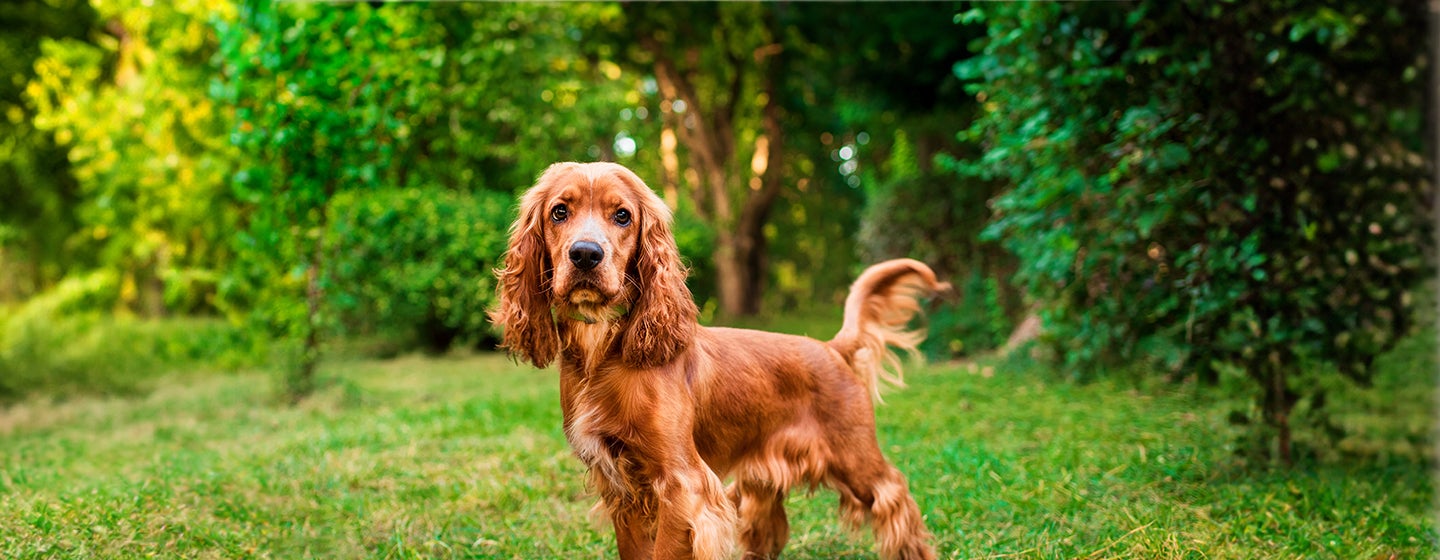
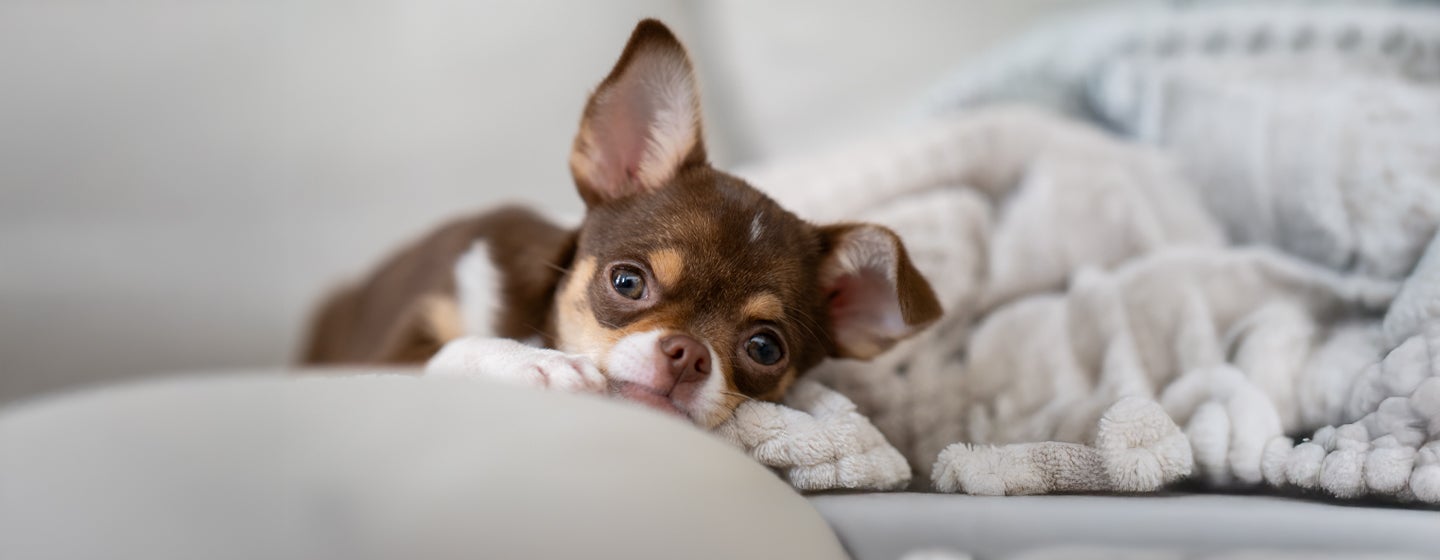
Just because you live in an apartment or small home, doesn’t mean you have to give up all hope of owning a four-legged friend! In fact, having dogs in apartments is more commonplace than you’d think, as there are thousands of small dog owners in cities throughout the world.
Keeping a larger breed such as a St. Bernard or Great Dane in a flat may be a bit like having a bull in a china shop, and medium or large breed dogs probably won’t be particularly happy living in more limited spaces, but there are lots of smaller dogs who will be able to adapt to apartment or small home living fairly easily.
You’ll need to bear a few things in mind though, such as ensuring you provide plenty of entertainment for them, making sure there’s plenty of green space nearby for walks, and thinking carefully about where your pup’s going to go to the toilet. It’s also important to make sure you or your dog-sitter have the time to take your pup out on a regular basis, as all dogs need access to light and fresh air and should have the opportunity to stretch their legs, run and sniff around as well as interact with other dogs. No one likes being cooped up all day, and that includes our dogs! With all that in mind, let’s take a look at some of the best dogs for apartments.